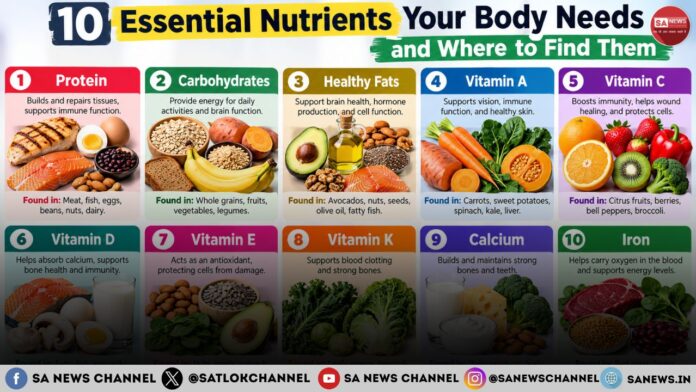

10 Essential Nutrients: The human body performs a variety of functions; it supports growth, repairs tissues, maintains energy as well as provides protection against diseases. But to perform all these vital functions, the human body requires energy. This energy is obtained from the food. A balanced diet that includes fruits, vegetables, whole grains, dairy products or alternatives, legumes, nuts, seeds and healthy sources of protein can help provide many of the nutrients the body needs.
Every nutrient is required in different quantities. Some nutrients are required in larger quantities, while others are required in comparatively lesser amounts. But every nutrient performs functions that are essential for the human body. Having an idea of these nutrients and their sources will help you plan a better everyday diet for yourself. Below are 10 essential nutrients your body needs and the foods where you can find them.
What Are Essential Nutrients and Why Does Your Body Need Them?
Essential nutrients are those nutrients that are required for the normal functioning of the human body such as growth, metabolism, development, energy generation as well as maintenance. These nutrients cannot be synthesized by the human body. Hence they are required to be taken from food sources, and sometimes from supplements too.
On the basis of the amount in which they are utilised by the human body, nutrients are broadly divided into
- Macronutrients: These include carbohydrates, proteins and fats, and are needed in larger quantities.
- Micronutrients: These include vitamins and minerals and are needed in smaller amounts. It should be noted that though these nutrients are required in lesser amounts, these are equally important for the normal functioning of the human body.
A varied diet is generally the best way to obtain these nutrients because different foods provide different combinations of vitamins, minerals and other beneficial compounds.
1. Protein – The Building Block of the Body
Protein is indeed one of the most crucial nutrients for the human body. It consists of amino acids which are utilized in the creation and healing of cells.
Reasons Why Proteins Are Important
Protein aids in the functioning of muscles, skin, bone, enzymes, and hormones, as well as a variety of other tissues and processes within the body. Protein is necessary especially during developmental stages and for the maintenance of muscle mass.
Best Food Sources of Protein
The best source of protein are:
- Dairy products
- Beans
- Lentils
- Chickpeas
- Soy products
- Nuts and seeds.
Including a protein source in meals can help make a balanced diet more filling and nutritious.
2. Carbohydrates – The Body’s Main Source of Energy
Carbohydrates are essential for giving the organism the energy it needs. They disintegrate into glucose, which is used by the cells to produce energy.
Simple vs. Complex Carbohydrates
Various foods contain carbohydrates. Whole grains, fruits, vegetables, and legumes often contain carbohydrates as well as fiber and some other useful elements. Accordingly, highly processed meals and products with a lot of sugars may bring carbohydrates but lack a number of useful nutrients.
Healthy Sources of Carbohydrates
Healthy carbohydrate sources are
- Oats
- Brown rice
- Whole-wheat products
- Potatoes
- Sweet potatoes
- Fruits
- Vegetables and legumes
To enhance the nutritional quality of the meals, whole or minimally processed sources must be selected.
3. Healthy Fats – More Than Just Energy
Fat is yet another important component in a balanced diet. It is an important source of energy and aids in the absorption of some vitamins.
The Importance of Healthy Fats
Fats are also used to construct cells and perform a number of other crucial functions in the body. It is thought that unsaturated fats are a healthier option than excessive carbohydrates such as saturated fats.
Foods Rich in Healthy Fats
The foods that are high in healthy fat are
- Avocados
- Nuts
- Seeds
- Olive oil
Including moderate amounts of these foods can add important nutrients to a balanced diet.
4. Calcium – Essential for Strong Bones and Teeth
Calcium is a mineral that is important in protecting and preserving the role of teeth and bones. Calcium is also responsible for muscle movement and correct functioning of nerves.
Importance of Calcium
Calcium is an essential mineral that the human body has to take in constantly; it is very important to meet the body’s requirements of Calcium from early in life to adulthood.
Natural Sources of Calcium
Some of the best natural sources of calcium are
- Milk
- Yogurt
- Cheese
Other sources of calcium include calcium-fortified plant-based beverages, tofu made with calcium, and some leafy green vegetables. A varied diet can help provide calcium along with other nutrients that contribute to overall health.
5. Iron – Essential for Healthy Blood
Iron is a vital nutrient that assists in the production of haemoglobin, a protein found in red blood cells responsible for transporting oxygen around the body.
The Role of Iron in Support of the Body
Adequate iron intake ensures proper energy generation and transport of oxygen. The amount of iron required varies by age, sex, and stage of life.
Iron-Rich Foods
The iron rich food sources include
- Beans
- Lentils
- Spinach
- Peas
- Iron-fortified grains.
Plant-based sources of iron can be combined with foods rich in vitamin C, such as citrus fruits, tomatoes or bell peppers, which can help improve the absorption of non-heme iron.
6. Vitamin D – The Sunshine Vitamin
Vitamin D plays a role in absorption of calcium and health of bones. It also helps in the normal functioning of muscles and the immune system.
How Your Body Uses Vitamin D
Vitamin D is produced in the body due to exposure to sunlight. Nevertheless, the level of production may different based on various aspects of human life like where the person lives, season of the year, skin color, clothes and time spent outdoors.
Food and Lifestyle Sources of Vitamin D
Vitamin D is doing in the following food sources
- Milk
- Plant-based beverages may be fortified with vitamin D.
People who have limited sun exposure or are at risk of deficiency may need to discuss vitamin D testing or supplementation with a healthcare professional.
7. Vitamin C – Supporting Immunity and More
Vitamin C is a water-soluble substance known as an antioxidant. It plays various roles in the human body.
Functions of Vitamin C
Vitamin C is found in collagen production, healing, and normal immunity. Additionally, vitamin C aids in iron absorption from plant foods.
Best Food Sources of Vitamin C
- Oranges
- Lemons
- Guava
- Strawberries
- Kiwi
- Tomatoes
- Bell peppers
- Broccoli.
Including a variety of fruits and vegetables in your daily meals is a simple way to obtain vitamin C.
8. Vitamin B12 – Important for Nerves and Red Blood Cells
Vitamin B12 is extremely important for the formation of red blood cells and for the proper functioning of the nervous system. It is also involved in DNA synthesis.
The Importance of Vitamin B12
A deficiency in the vitamin can disrupt regular production of red blood cells and functioning of the nervous system.
Foods That Provide Vitamin B12
Vitamin B12 is naturally present in foods such as dairy products. Fortified foods can also provide B12.
If you suspect a deficiency, a healthcare professional can advise whether testing or supplementation is appropriate.
9. Potassium – Important for Muscles and Nerve Function
Potassium is significant not only as a mineral but also as an electrolyte that aids in normal functioning of muscles, nerves and the maintenance of body fluids.
What Functions Has Potassium?
It contributes to normal physiological functioning when combined with electrolytes. Adequate potassium intake from food is tied to the maintenance of healthy blood pressure especially if combined with a healthy diet overall.
Potassium-Rich Foods
Some of the best potassium rich food includes
- Bananas
- Potatoes
- Sweet Potatoes
- Beans
- Lentils
- Spinach
- Tomatoes
- Oranges
- Yogurt and several other foods.
Eating a variety of fruits and vegetables can help increase potassium intake naturally.
10. Fibre – Essential for Healthy Digestion
Fibre is one type of carbohydrate that is not digested completely in the body. It is naturally found in a number of plant-based foods and is essential for the maintenance of good digestive health.
The Role of Fibre in Digestive Health
Fibre helps to ensure proper bowel movement and contributes to a healthy digestive system. Different types of fibre have varied effects, and some also keep cholesterol and blood glucose levels in check.
High-Fibre Foods to Add to Your Diet
Some high fibre food to add in your diet are
- Whole grains
- Oats
- Beans
- Lentils
- Fruits
- Vegetables
- Nuts
- Seeds
When increasing fibre intake, it is also important to drink enough fluids and increase fibre gradually, particularly if your current diet is low in fibre.
How to Get Enough Essential Nutrients From Your Diet
Having the nutrients you need does not mean that you have to follow a complex diet. It’s all about eating a variety of foods and balancing different nutrients.
Eat Different Whole Foods
Different food types bring different nutrients. Nutrients can be best maintained if the nutrition comes from whole grains, vegetables, fruits, legumes, dairy, nuts, and protein sources.
Eating at Least Some Fruits and Vegetables every Day
Fruits and vegetables provide you with various vitamins, minerals, fibers, and other healthy plant components. One should not stick to a few fruits or vegetables, but rather use various kinds of products throughout the day.
Choose Foods Packed with Nutrients
Nutrient-rich foods are those that provide you with substantial amounts of vitamins, minerals, and other nutrients for a given amount of calories. Vegetables, fruits, legumes, and cereals are examples of such foods.
When Should You Start Taking Dietary Supplements?
Dietary supplements may be needed when the nutrition being consumed is not enough to meet the needs or when that is advised by a healthcare professional.
The Annapurna Campaign: The Service of Feeding Millions
Food is the basic necessity of every individual on this earth. But still there are millions worldwide, who are still deprived of the essential nutritional requirement. To end this, Saint Rampal Ji Maharaj has started the Annapurna Campaign with an aim to provide free food, clothes, education, house and healthcare facilities to all the people of the world.
Annapurna Muhim is active all over India and also in foreign countries such as Nepal. To get more information on Annapurna Muhim visit the Annapurna Muhim.